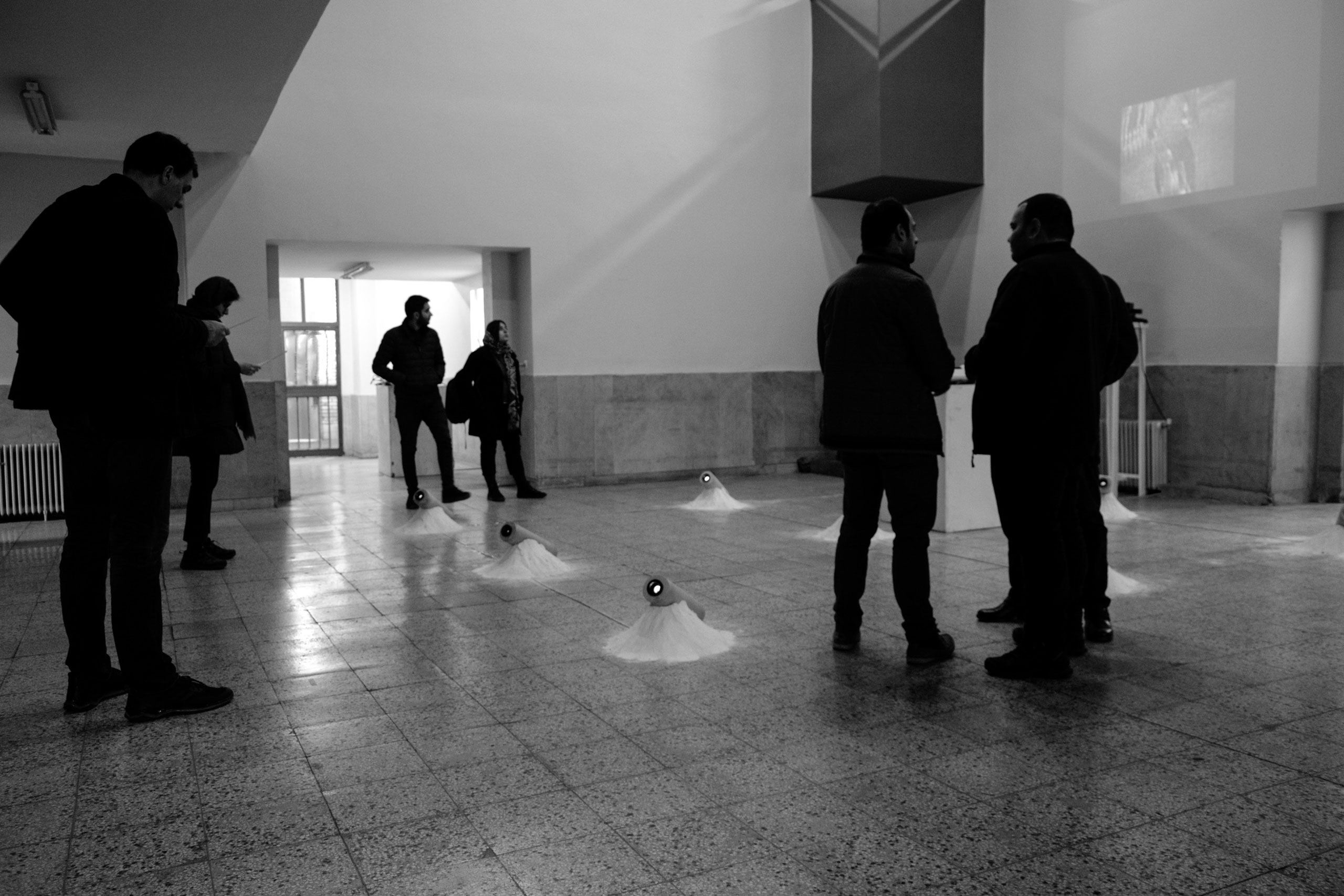
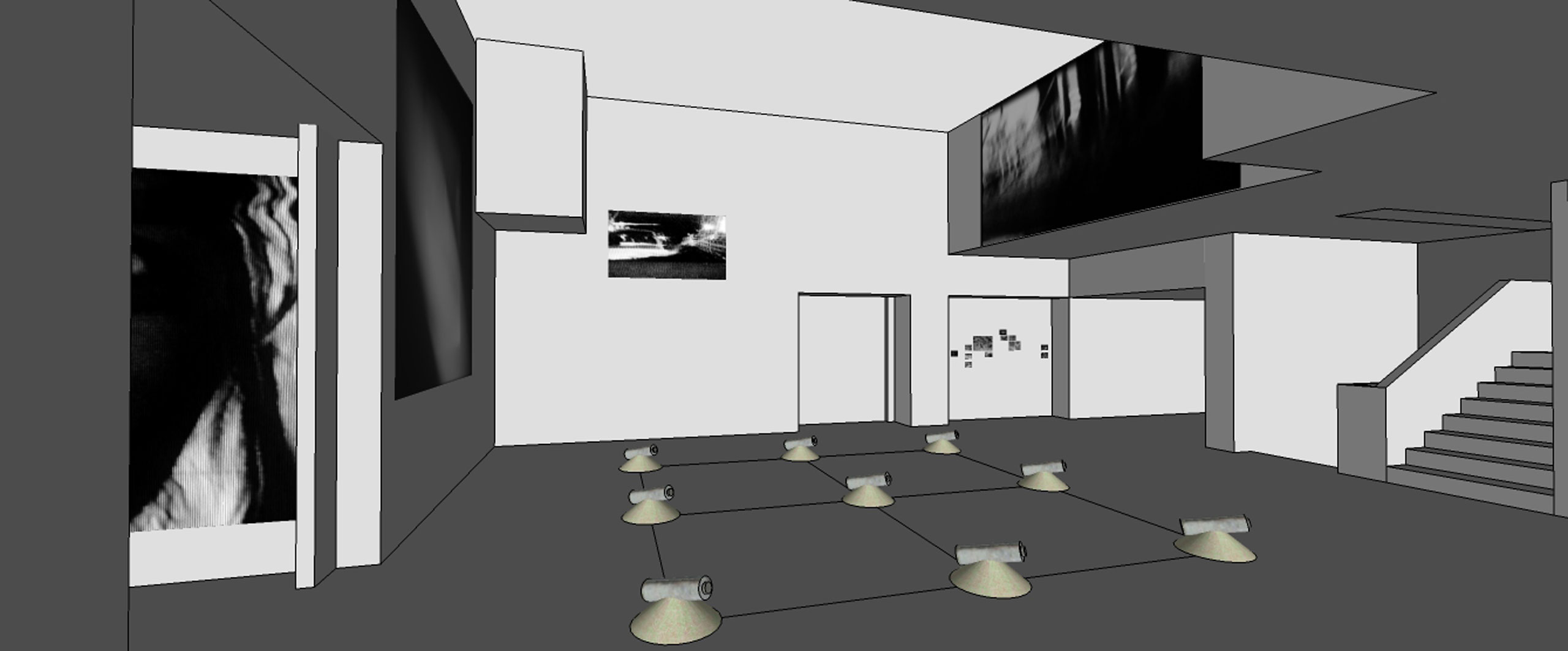
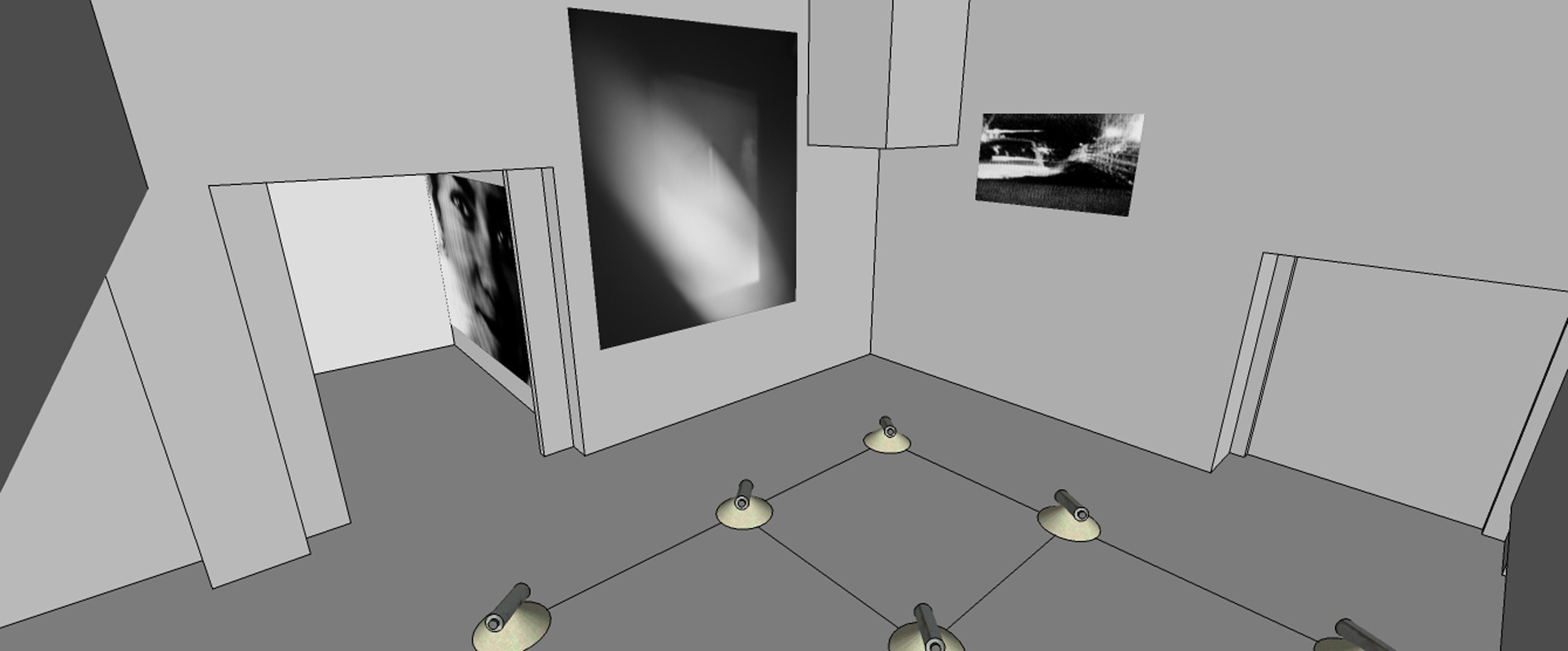
From the East : Sharp and National series
Video series | 2017 - 2018
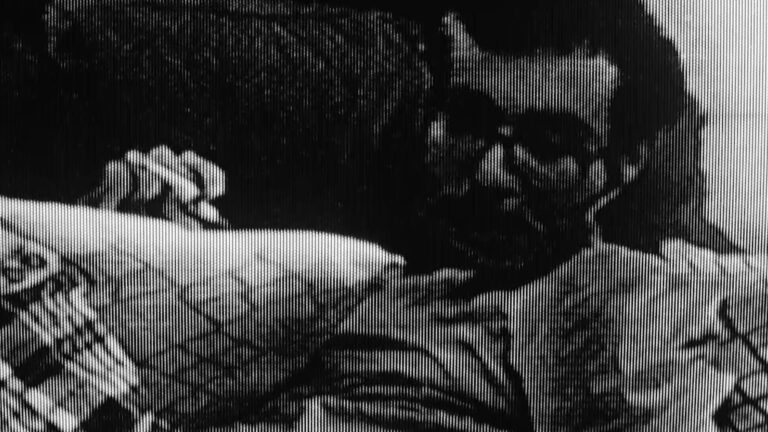
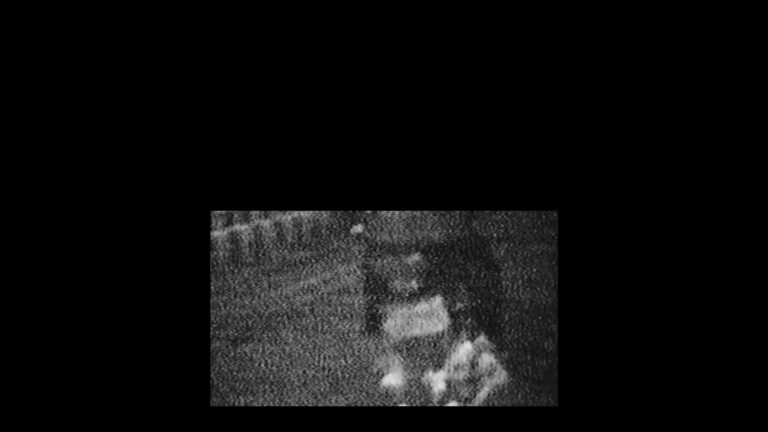
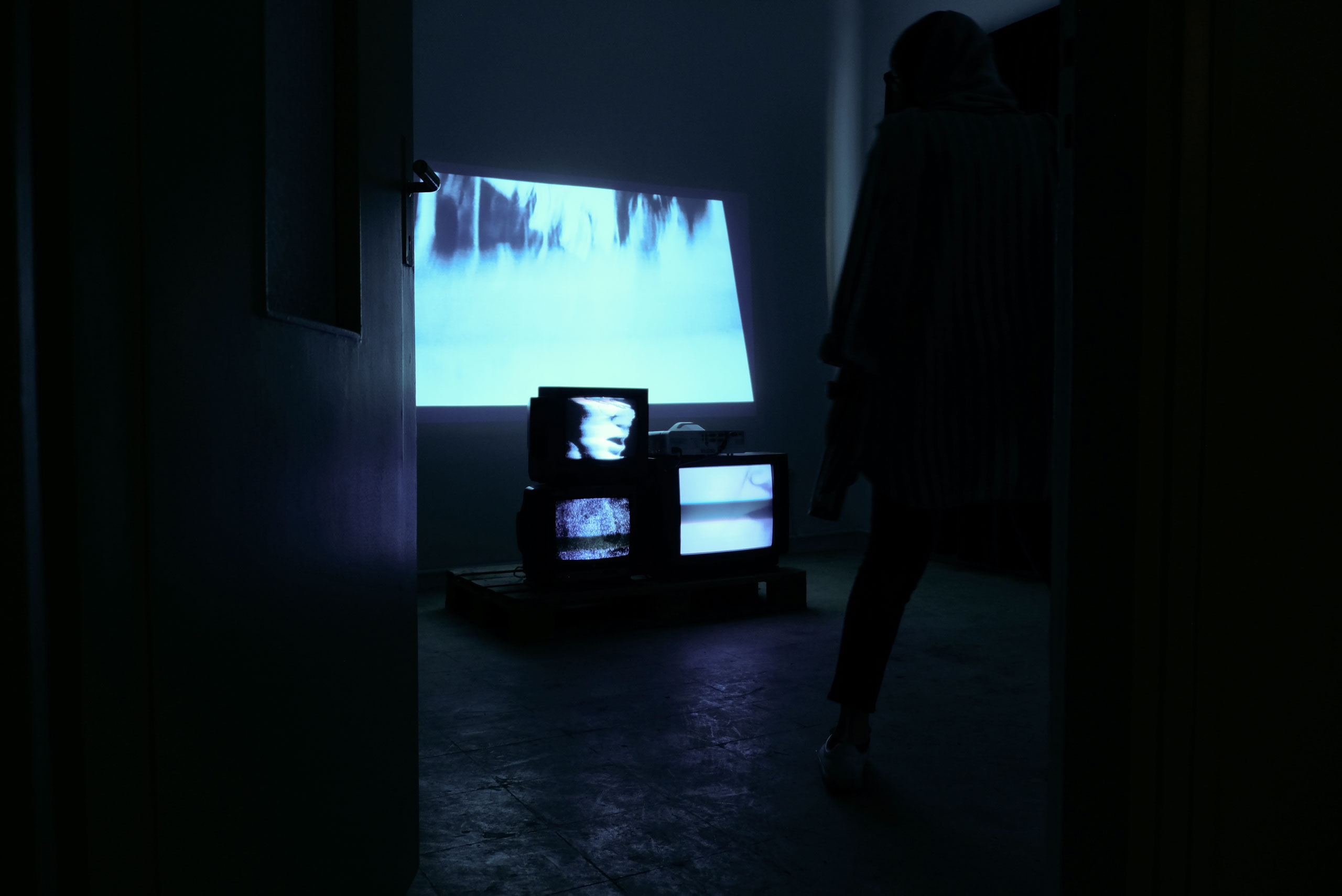
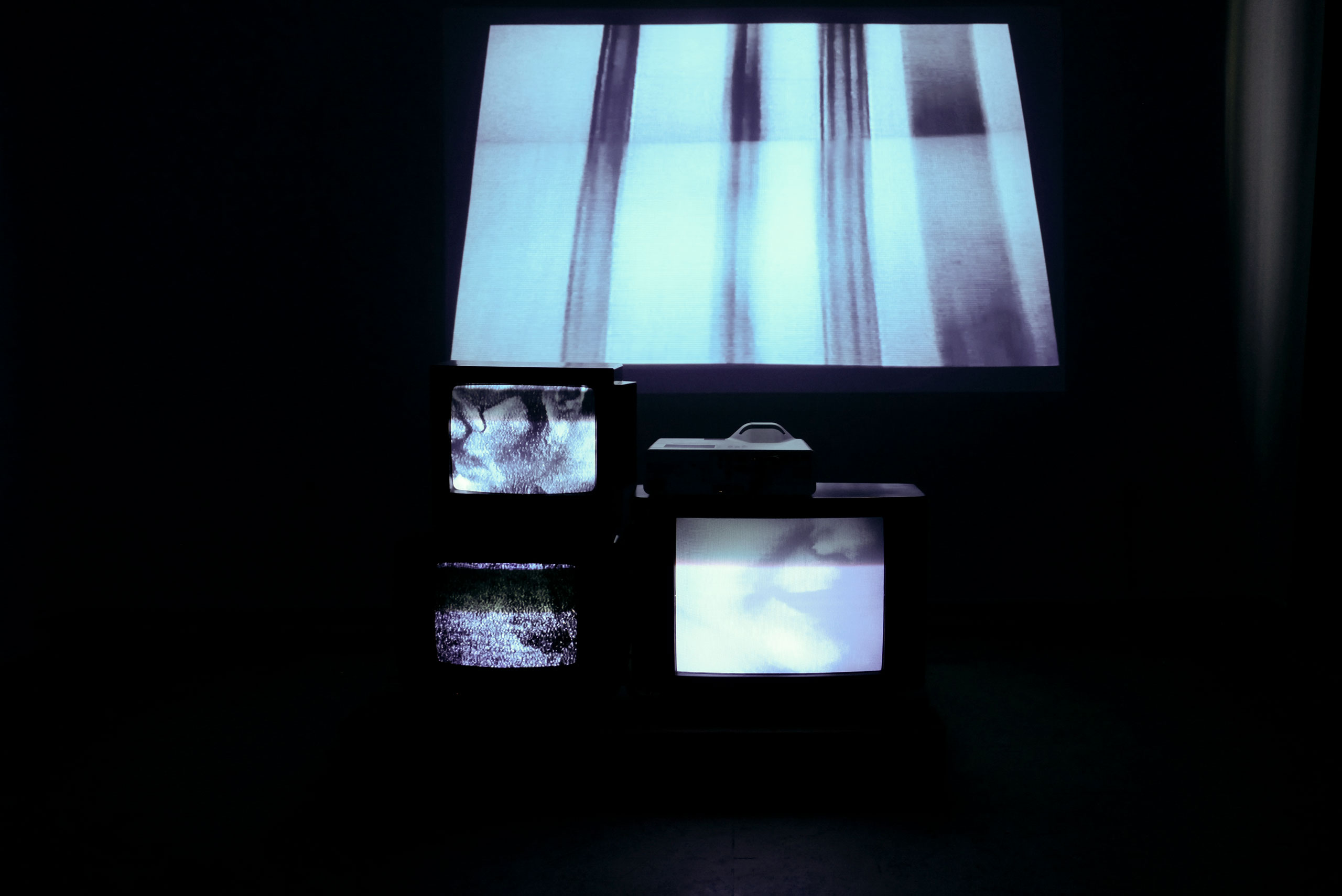
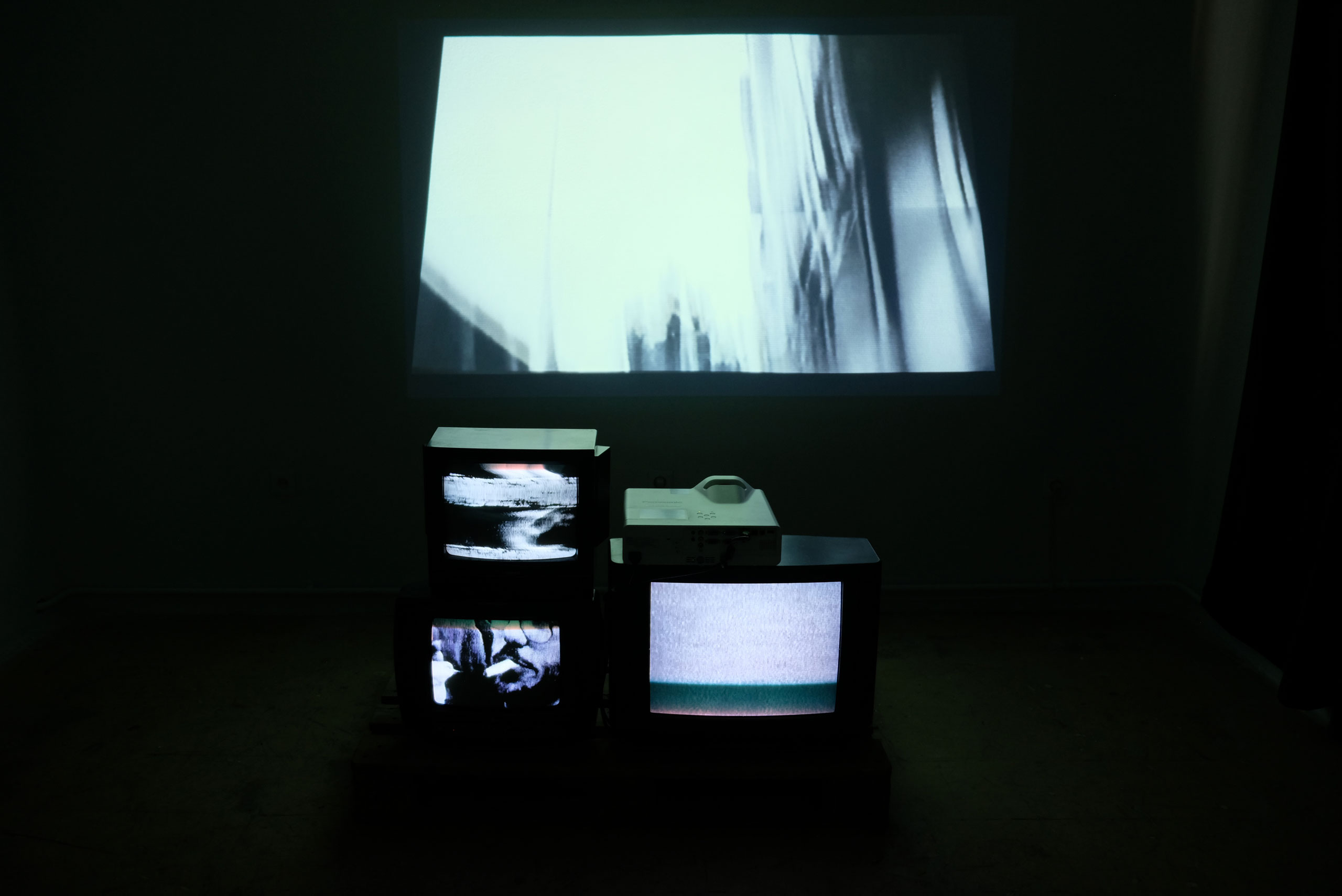
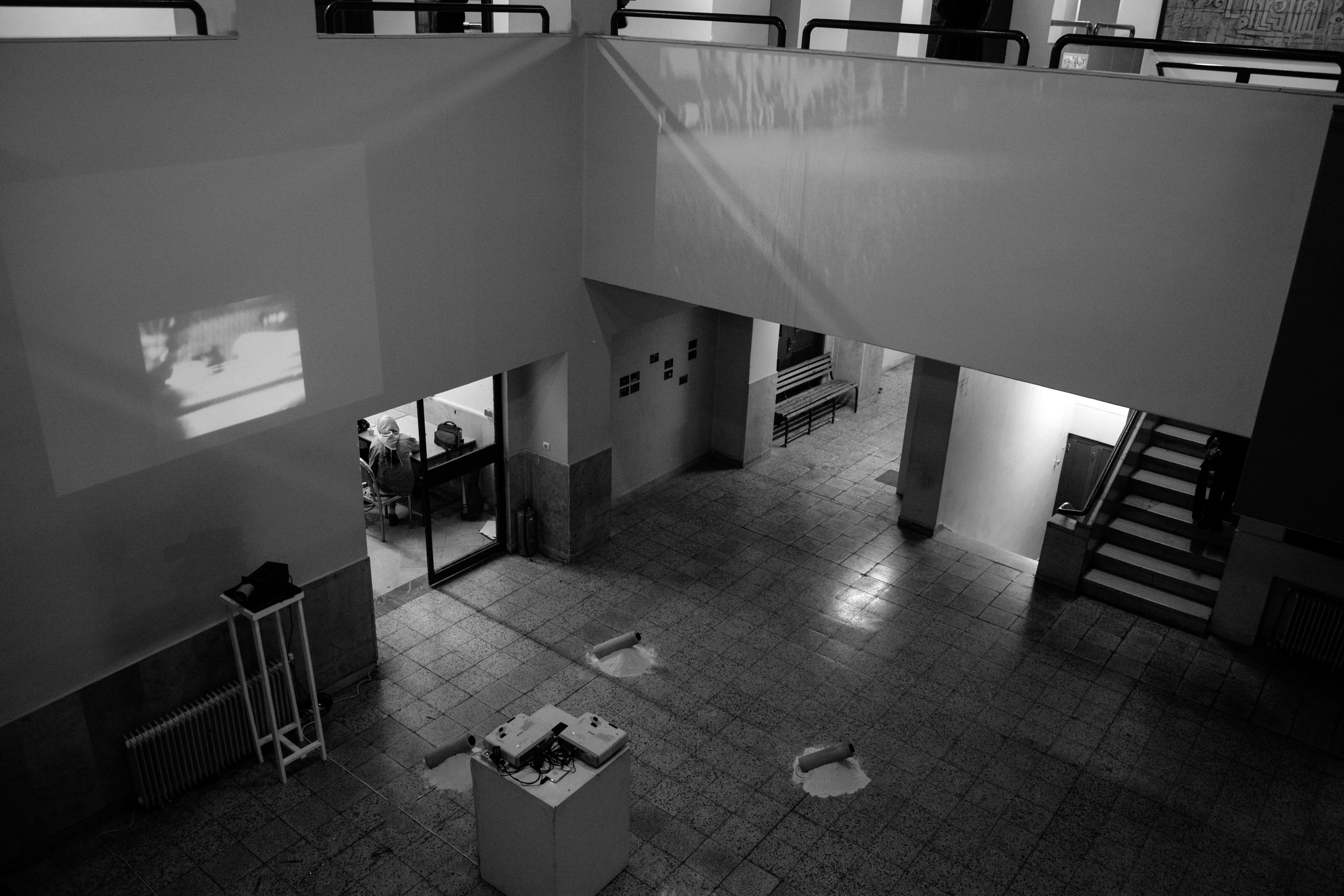
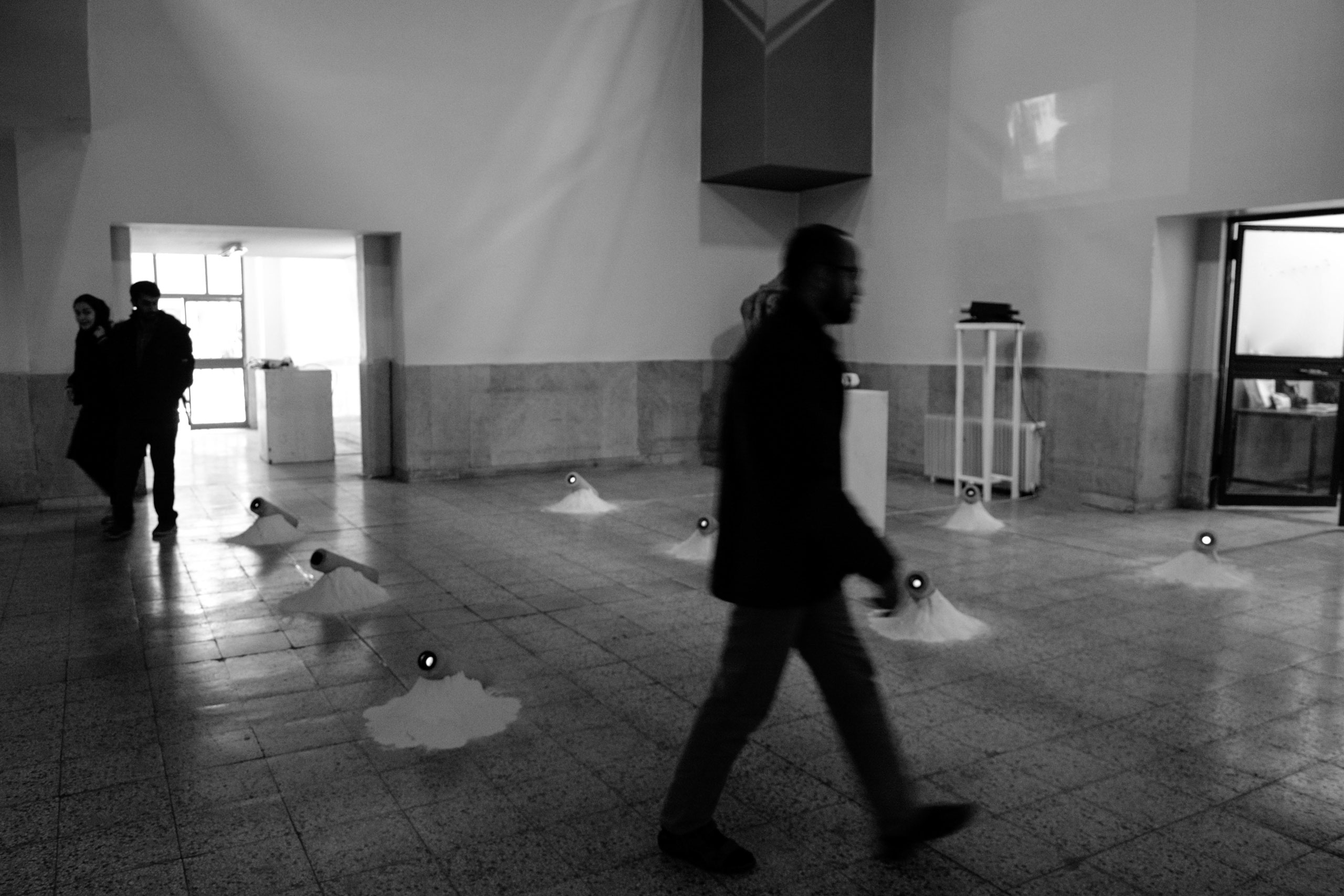
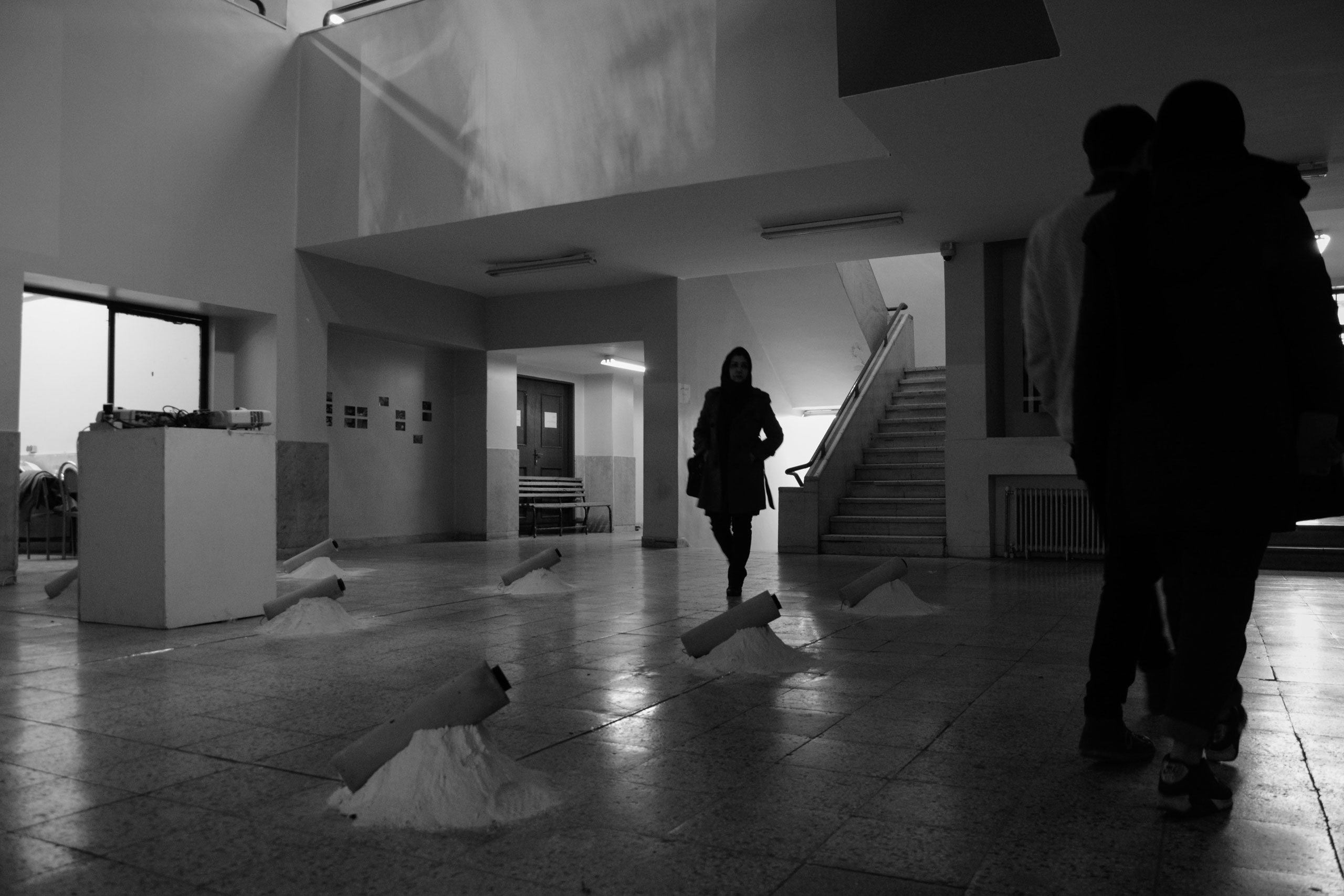
I intended to create an image-based conversation between an old and a new series of moving images recorded on video cassettes in two different periods. The old ones were recorded in the 1980s and ’90s and were considered criminal at the time by the law prohibiting the personal use of video technology, including video cassettes and video players. The new ones are recorded by me in the past year from those that are somehow associated with the old video cassettes in their personal space. The content of the new moving images are portraits of people talking about their daily life and old memories. Next, I started searching, selecting, erasing, editing and duplicating the raw material by viewing the recordings on a monitor surface. The result is a live, simultaneous recording of the screen by a digital camera, albeit in silent mode. Finally, the digital versions are named and archived depending on their screening device, namely: National #01
Sociopolitical context:
By researching the introduction of the first small and portable video cameras to the market, we’ll notice their simultaneous launch with the early decades of the Islamic Republic of Iran – the 1980s and 90s. These affordable cameras quickly found their way into artists’ studios after their launch in 1985. This new tool provided artists with a novel possibility, initially leading them to experiment with simplifying visual experiences.
However, in Iran, it wasn’t long before all video-related tools – including players/recorders, cassettes, and video cameras – were banned. This prohibition lasted from 1983-1992 (during the third to fifth administrations of the Islamic Republic). During these years, Iranian society, especially the artistic community, witnessed one of the most significant media suppressions by the government in the realm of visual media. In addition to this general ban, after the Cultural Revolution in universities, video, as a new medium, failed to find a place among the subfields of Art. However, there was an exception for video. The Islamic Republic of Iran Broadcasting (IRIB) was forced to maintain and develop its video infrastructure for propaganda and information dissemination, as the sole mass visual media in Iran. As a result, this organization became one of the major buyers of video companies’ equipment over the decades.
After the ban on using video equipment was lifted by the Ministry of Culture and Islamic Guidance in 1993, the use of video cameras quickly gained popularity among the public, to the extent that by the late 90th, almost every middle-class family had a video camera. Everyone recorded images of their family and local events, but these experiences generally lacked media concerns and were simply imitations of the television programs and illicit shows they had seen. Experimenting was like wasting tape.
Technical description:
In a video system, the image recording structure is designed so that images – information – are stored as a string of bit data at specified time intervals across a magnetic tape. The data recorded on the magnetic tape depends on the time it has been recorded and the storage conditions of the cassette have effects on the amount of data reception, the magnetic properties, and the quality of the magnetic tape. In video systems, the ability to re-record Cassettes is possible. In re-recording, there is no conflict between previous and new data. In each period of time, the first one is deleted and the second one is replaced, but the effects left from the previous images are effective in the last image. These effects can usually be observed in the form of disturbances and stops in the previous gains.